Nostril Reduction Surgery: Cost, Scars and Recovery
Try Simulator Free
Preview Smaller Nostrils on Your Own Photo
Nostril reduction surgery, also called alarplasty or alar base reduction, removes a small wedge of skin where the nostril meets the cheek so your nostrils look narrower or less flared. It's one of the smallest procedures in facial plastic surgery: usually under an hour, often done with local anesthesia, and the scars sit in a crease most people never look at.
It's also one of the easiest to overdo. Take a millimeter too much and the nostrils look pinched or notched, and putting tissue back is far harder than taking it out. So it's worth knowing exactly what the surgery changes, what it costs and whether your nostrils are actually the part that bothers you.
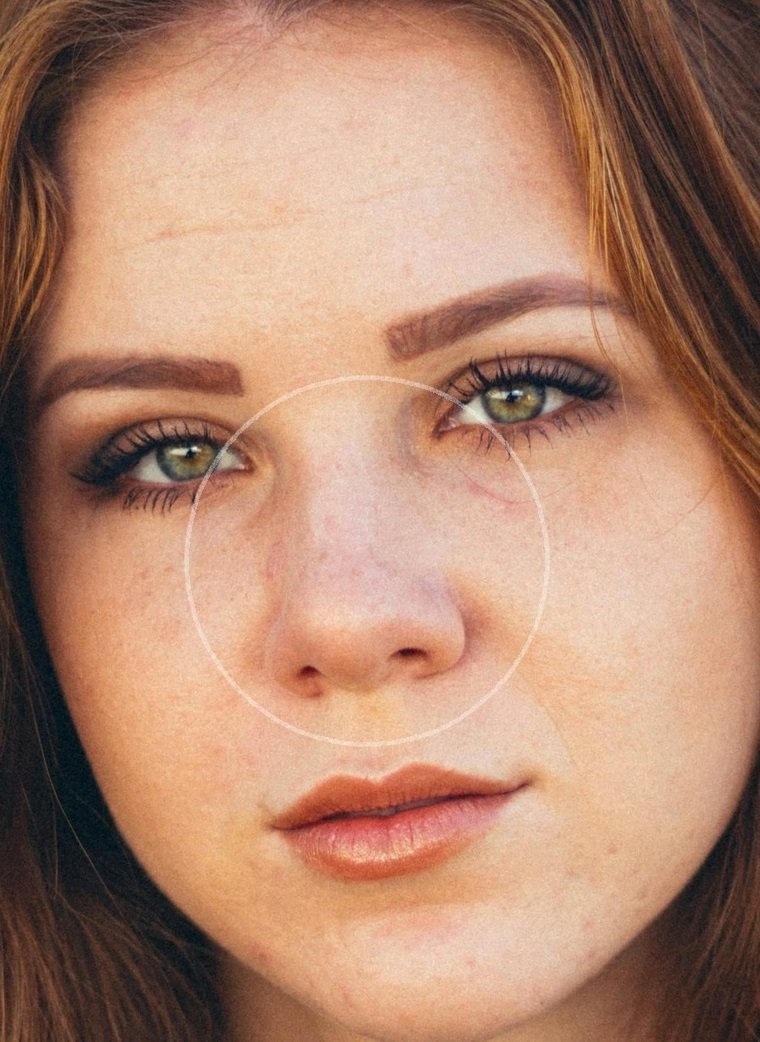 Before
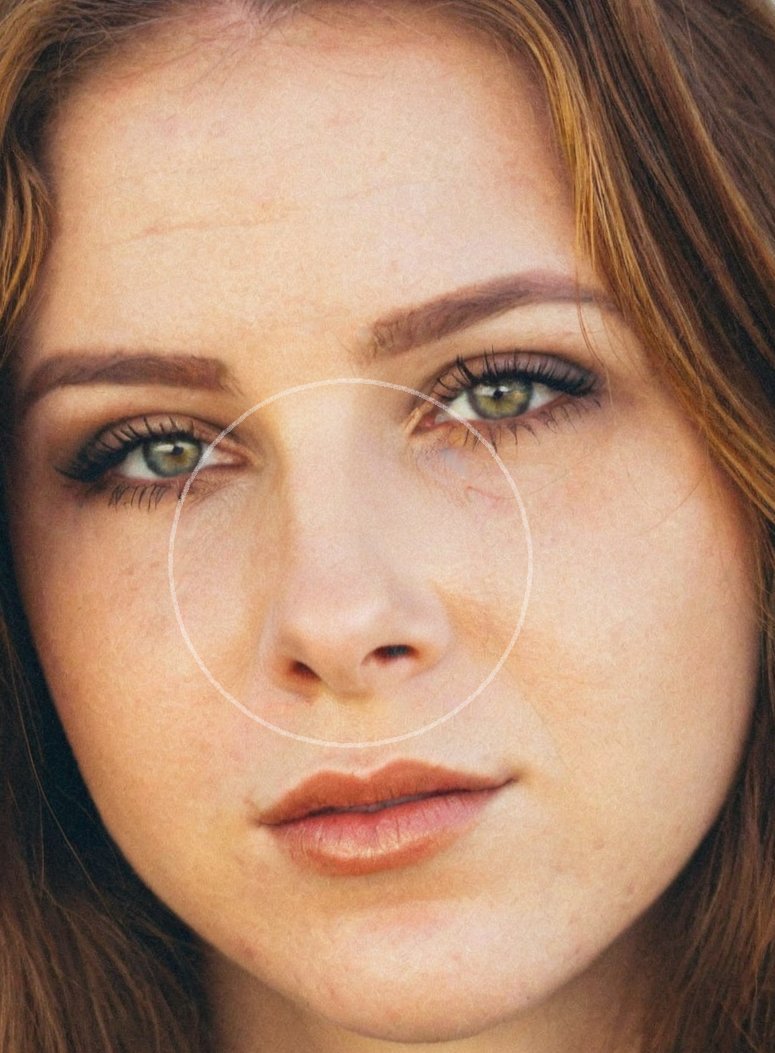 After
Wide Nostrils vs Flared Nostrils: Two Different Problems
Surgeons split this into two issues, and they're fixed in different ways. A wide nostril base means the whole bottom of the nose sits wide on the face. A flared nostril means the curved outer wall (the ala) bows outward, which shows most when you smile or breathe hard. Plenty of people have a bit of both.
For flare, the surgeon cuts a crescent of skin from the outside of the nostril, right in the groove where it joins the cheek. This is the classic Weir excision. For a wide base, the cut goes inside the nostril sill, the little floor at the opening, which narrows the gap without changing the curve much. When both are needed, the two cuts are joined.
A quick check surgeons use: from the front, the outer edges of your nostrils roughly line up with the inner corners of your eyes. If yours sit 2 to 3 mm wider on each side, a reduction could make a visible but natural difference. If they already line up and you still feel your nose is wide, the issue is more likely the bridge or a round tip, which nostril surgery won't fix.
Types of Alar Base Reduction
External Wedge (Weir) Excision
Fixes: Flared, curved nostril walls
Scar: In the crease where the nostril meets the cheek
Typical removal: 2 to 4 mm of skin per side
Internal Sill Excision
Fixes: A wide nostril base or large openings
Scar: Inside the nostril floor, usually invisible
Typical removal: 2 to 3 mm per side
Combined Excision
Fixes: Wide base plus flare
Scar: Runs from inside the nostril around to the outer crease
Typical removal: Planned per side, since most noses aren't symmetrical
How Much Does Nostril Reduction Cost?
As a standalone procedure in the US, alarplasty usually costs $2,000 to $5,000. That includes the surgeon's fee, and because most are done under local anesthesia in the office, there's often no separate anesthesia or operating room bill. Big cities and well-known facial surgeons sit at the top of that range.
Added to a full rhinoplasty, it's much cheaper, often $1,000 to $2,500 on top of the main fee, since you're already in the operating room. That's why many surgeons suggest deciding on nostrils before rhinoplasty rather than after. A narrower bridge or slimmer tip can make nostrils look wider by contrast, so some people do need a small alar reduction later, but planning it in one go saves money and a second recovery. Our rhinoplasty cost breakdown has the full numbers for the bigger surgery.
Insurance almost never covers it, because it's cosmetic. The exception is reconstruction after injury or cleft lip repair.
Alarplasty Recovery, Week by Week
- Day 1 to 3: Mild swelling and some tenderness at the base of the nose. Pain is usually low, and most people manage with acetaminophen. There's no splint or packing for a standalone alarplasty.
- Day 5 to 7: Stitches come out. You can go back to desk work, and makeup can cover the incision once it's closed.
- Week 2 to 3: The scars look pink and slightly raised. Avoid stretching your upper lip a lot, don't wear glasses that press on the area if you can help it, and use SPF on the scars.
- Month 3: Swelling at the nostril base is mostly gone and the new width is close to final.
- Month 6 to 12: Scars fade to a fine line in the crease. On darker skin they can stay darker for longer, so ask your surgeon about scar care early. Our plastic surgery scars guide covers what helps.
The Biggest Risk Is Taking Too Much
Overcorrection is the complaint surgeons see most with nostril reduction. Remove too much and you get nostrils that look pinched, a notch in the rim, or an unnatural straight edge where the curve used to be. It can also narrow the opening enough to affect breathing. A careful surgeon removes less than you might expect, often just 2 mm, and measures each side separately because one nostril is almost always bigger. If a surgeon promises a dramatic change, get a second opinion.
How to Make Your Nostrils Smaller Without Surgery
Honestly, there's no non-surgical way to make nostrils permanently smaller. Filler adds volume, so it can't narrow anything, though a small amount at the tip or columella can change how the nostrils look from below. Some injectors use a few units of Botox in the muscle that flares the nostrils, which helps a little if your nostrils widen a lot when you smile, but it lasts three to four months and won't change the resting width.
Contouring makes the biggest difference for the least money: a matte shade a little darker than your skin along the sides of the nostrils, blended well. Nose clips and "nostril shapers" sold online don't reshape cartilage or skin, and wearing them for hours can irritate the lining of the nose. Our guide on how to reduce nose size covers the other non-surgical tricks.
Is Nostril Reduction Right for You?
It tends to work well if your nostrils are clearly wider than the inner corners of your eyes, if they flare a lot, or if you've had a rhinoplasty and the base now looks wide next to a slimmer bridge. It's also a common part of ethnic rhinoplasty, where the goal is a softer base while keeping the nose's character, not making it look like someone else's.
It's less likely to help if your real concern is a round tip, a wide bridge or a bump, or if your nostrils are already in proportion and the problem is how they look in close-up selfies. Phone cameras held close make the bottom of the nose look much wider than it is in person.
Before you book a consultation, try a preview of a slightly narrower base on a front-view photo taken from about 1.5 meters away. If a 2 mm change already looks right to you, you know what to ask for. If it barely registers, the bridge or tip may be the part to look at, and our nose job simulator guide explains how to preview those changes too.
Frequently Asked Questions
How much does nostril reduction surgery cost?
In the US, a standalone alarplasty usually costs $2,000 to $5,000. Done together with a rhinoplasty, it often adds just $1,000 to $2,500 to the total. Insurance rarely covers it unless it's reconstructive.
Does alarplasty leave a scar?
Yes, but it's small and placed in the natural crease where the nostril meets the cheek, or inside the nostril for sill excisions. It looks pink for a few weeks and usually fades to a fine line within 6 to 12 months.
How long does nostril reduction recovery take?
Stitches come out after 5 to 7 days and most people return to work within a week. Swelling settles by about three months, and scars keep fading for up to a year.
Can I make my nostrils smaller without surgery?
Not permanently. Contouring makeup can make them look narrower, and Botox can reduce flaring when you smile for a few months, but only surgery changes the actual width of the nostril base.
Can nostril reduction be done without a full rhinoplasty?
Yes. Alar base reduction is often done on its own under local anesthesia in under an hour. It changes only the nostrils, not the bridge or tip.
Preview Your Results Today
Use our AI-powered plastic surgery simulator to visualize how different procedures will look on you before making any decisions.
Download Free Simulator
Available on iOS & Android • No signup required • Unlimited simulations